01
Dive Travel Planning Guides
Choose the next guide by trip fit, operator questions, packing, liveaboards, and safety boundaries.
Independent dive travel planning without the hype
Choose the next guide by trip fit, operator questions, packing, liveaboards, and safety boundaries.
Use calculators and reference tables as planning aids, not as dive-computer, training, or briefing replacements.
Check certification fit, daily pace, operator support, gear assumptions, insurance, and cancellation terms.
Compare day trips, liveaboards, boat time, repeat dives, fatigue, and backup plans before booking.
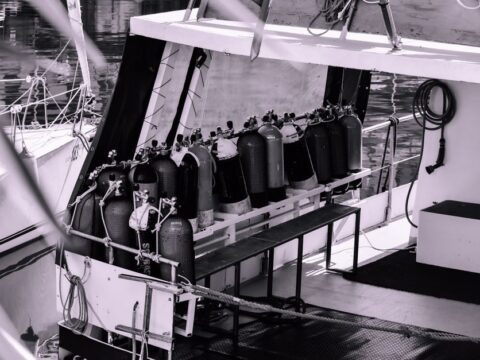
Is a Four-Dive-a-Day Liveaboard Pace Right for You?. A focused guide built around assess four-dive-a-day liveaboard pace recent experience recovery and cabin fit, with an evidence-based worksheet and clear boundaries.
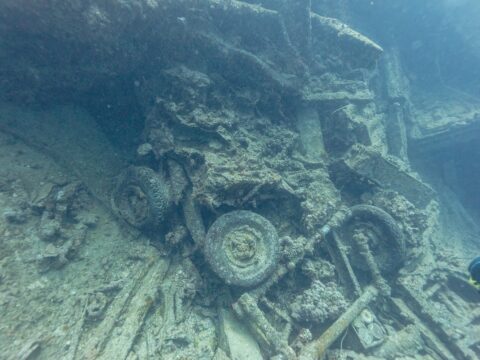
Read the articleUse recent experience, conditions, gas planning, guide ratios, and the operator’s contingency plan to decide whether a Thistlegorm dive fits you now.
A compact save-a-dive kit is not a second gear bag. It is a small set of compatible straps, O-rings, fasteners, batteries, and tools for the minor failures you are actually…
A practical readiness check for choosing the SS Thistlegorm based on recent experience, conditions, operator support, and a realistic backup plan.
Build a realistic Sharm-based Thistlegorm trip around arrival fatigue, a check dive, the wreck day, operator logistics, and a conservative no-fly buffer.
Pack for the actual dive plan first: certification card, medical readiness, exposure protection, save-a-dive spares, and the non-diving travel pieces that keep the week calm.
Before using a full dive trip packing list, confirm rental gear, exposure protection, carry-on priorities, paperwork, medical boundaries, and operator requirements.
A practical scuba trip planning note helps divers ask operators better questions before booking, without duplicating a full first-trip checklist.
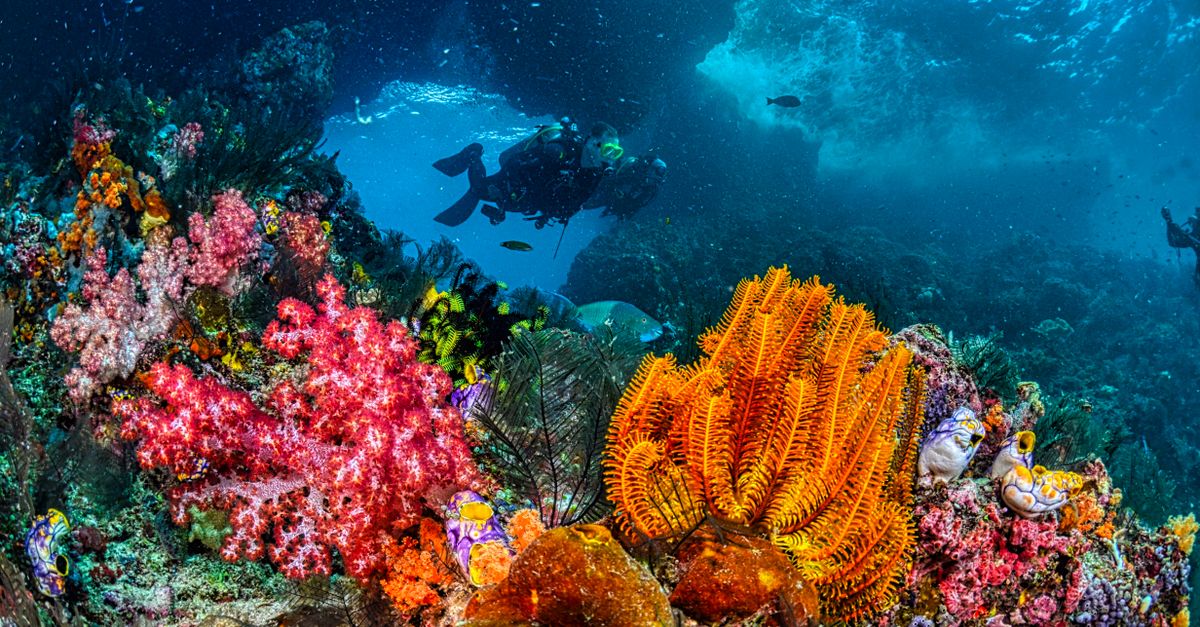
Plan a Raja Ampat dive trip with route options, 2026 ferry caveats, best seasons, dive regions, sample budgets, operator questions, and conservation rules.
Ask these SS Thistlegorm booking questions before choosing a day trip or liveaboard, including route timing, guide ratio, backup sites, wreck limits, and safety procedures.